







Search Results for: food additives
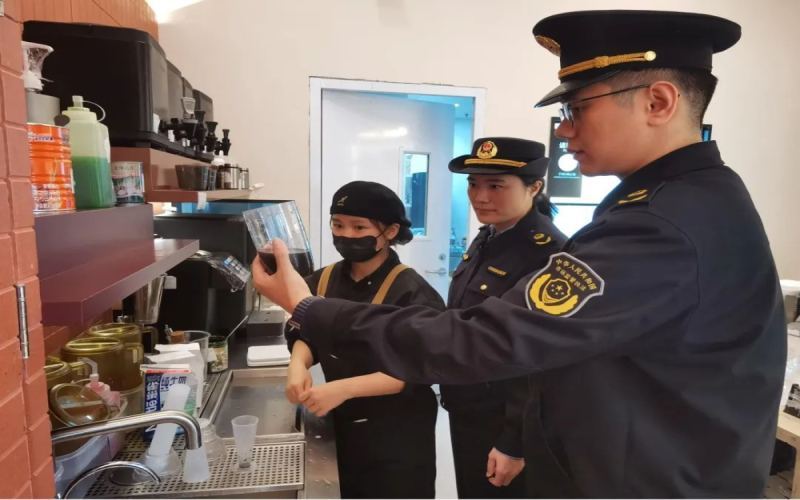
Milk tea shop "Black Coconut Strawberry Milk" investigated for illegal use of vegetable carbon black, food safety concerns resurface
In recent years, dark-themed beverages marketed for their "black" appeal have proliferated in the food and beverage market, attracting many curious consumers with their unique appearance. However, such products may harbor food safety risks. Recently, the Market Supervision Bureau of Xuhui District, Shanghai, discovered during an inspection of a milk tea shop that its "Black Coconut Strawberry Milk" was unusually dark black in color. An investigation confirmed that the staff had illegally added "vegetable carbon black" during preparation. This act violated food additive usage standards, and the shop was ordered to rectify the issue and was penalized. Notably, the brand involved is none other than "Benz Tea," which went viral last year, with its first Hangzhou store setting a record of thousands queuing and scalpers reselling cups for as much as 300 yuan. This incident once again reminds us that creative beverages must also strictly adhere to safety bottom lines. [more…]
Luckin was fined 5,000 yuan by the market supervision bureau for employees privately removing prepackaged food labels and selling the items to customers.
A Luckin Coffee store received a fine of 5,000 yuan from the market supervision authorities simply because a staff member removed the outer packaging of a food item for a customer. Here is what happened: a consumer reported that they had purchased a pack of "mini mochi" pre-packaged food at a Luckin store, but the staff member removed the outer packaging bearing label information before handing it to the customer without obtaining consent. Upon verification, this act was determined to constitute selling pre-packaged food without labels. Although the illegal gains amounted to only 2.67 yuan, it still violated the relevant provisions of the Food Safety Law. Behind this seemingly minor penalty lies the consumer's right to know the source and quality of food. Front Street Coffee also reminds all practitioners that labels on pre-packaged food are not optional but a mandatory legal requirement. [more…]

An influencer coffee shop was penalized for using imported coffee beans of no lawful origin, drawing attention to food compliance issues in the coffee industry.
Recently, the Market Supervision Bureau of Yuecheng District, Shaoxing City, investigated and penalized a popular coffee shop. The shop was found using imported coffee beans without Chinese labels and could not provide proof of legal origin. It was also involved in selling coffee equipment without Chinese labels. Ultimately, it was fined 25,000 yuan and the related products were confiscated. This case reveals a common compliance risk in the procurement and use of coffee beans by specialty coffee shops: whether self-roasting or external procurement, coffee bean raw materials require corresponding food business or production licenses and product qualification inspection reports. As market supervision intensifies, coffee operators urgently need to self-check risks to ensure legal and compliant operations. [more…]
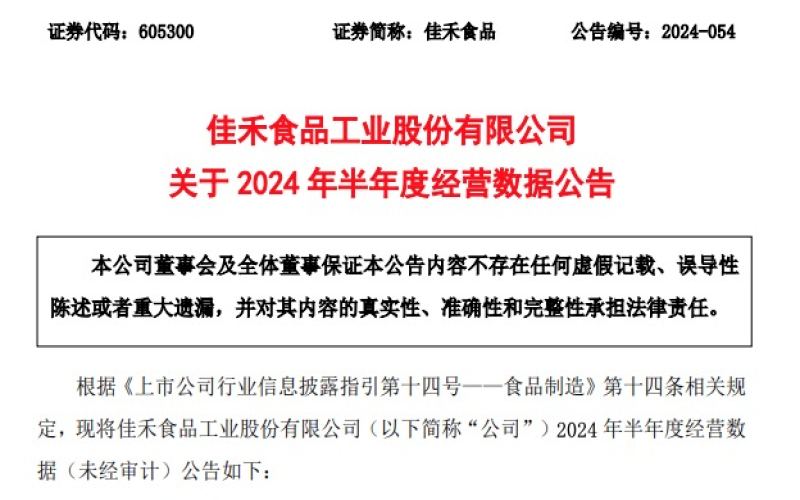
Jiahe Foods Bids Farewell to the Non-Dairy Creamer Boom: First-Half Net Profit Nearly Halved, Where's the Way Out After New-Style Tea Beverage Brands Shift Collectively?
Jiahe Foods delivered a rather unimpressive performance in the first half of 2024: revenue of 1.073 billion yuan, down 19.12% year-on-year; net profit of 69.4439 million yuan, nearly halved year-on-year. This company, known as the "king of non-dairy creamer," once held a leading position in the industry thanks to the era of Nestlé instant coffee and the explosive growth of the milk tea sector, but now faces a wave of new-style tea beverage brands collectively "removing non-dairy creamer." Starting from the financial report data, this article traces the rise and fall of non-dairy creamer from coffee companion to milk tea base, and how the trans fatty acid controversy has reshaped the industry landscape, and explores the prospects of Jiahe Foods in the era of zero non-dairy creamer. [more…]
A Comprehensive Guide to Global Organic Tea Certification Systems: Differences Among EU, US, Japan and Other Standards, and Buying Tips
The core difference between organic tea and conventional tea lies in whether it has been certified by an authoritative body. EU organic regulations prohibit genetic modification and synthetic inputs, and require animals to be raised in ways that suit their species characteristics, and are regarded as the strictest threshold in the tea industry. Certifications such as Switzerland's IMO, France's Ecocert, the US USDA, Japan's JAS, India's, Canada's, China's, Australia's, and Germany's Naturland each have different emphases, with significant differences in scope of application and difficulty of obtaining them. Rainforest Alliance, UTZ, FDA, and HACCP provide supplementary assurances from the perspectives of sustainable agriculture and food safety. This article systematically sorts out the rules, authority, and market applicability of major certifications, helping coffee and tea lovers accurately identify the true meaning behind labels when making purchases. [more…]
National food safety standards propose adding acrylamide testing in coffee, responding to consumer concerns
The National Health Commission recently solicited public comments on 19 national food safety standards, among which the "Determination of Acrylamide in Foods" includes coffee within its testing scope for the first time, responding to the social debate sparked by the detection of acrylamide in freshly made and sold coffee. At the end of 2023, a report by the Fujian Provincial Consumer Council brought acrylamide in coffee into the spotlight; experts pointed out that this substance is a byproduct of high-temperature processing rather than an artificial additive, and that its content in coffee is extremely low, so there is no need for excessive concern about daily consumption. This revision of the national standard aims to improve the testing system, drive process improvements in the industry, and safeguard consumer rights. [more…]
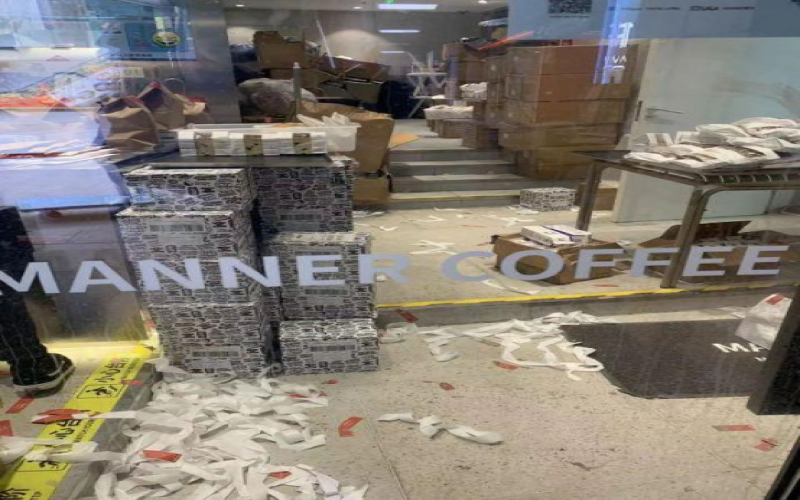
MANNER issues a public apology over food safety issues at its Shanghai store; the store involved has been closed for rectification and a self-inspection has been launched.
As Shanghai gradually resumes production and daily life, being able to get a cup of takeout coffee right at one's doorstep has become a small blessing for many. However, MANNER Coffee's store on Wujiang Road in Shanghai was found in a surprise inspection by market regulators to have problems including substandard environmental hygiene and non-compliant food storage, and was placed under investigation on May 23, quickly sparking heated discussion online. On May 24, MANNER's official Weibo account issued an apology statement, admitting that during the supply-guarantee delivery period there were oversights such as non-standard use of raw milk and failure to promptly clean the backing paper of food-safety seals, and stating that the store involved had immediately suspended operations for rectification. But this apology was questioned by some consumers and industry experts as evading the key issues and failing to directly address core hazards such as floor grime potentially contaminating food. As the pioneer of the domestic boutique coffee shop model, MANNER is facing a dual test of quality and food safety on a coffee track now crowded with cross-industry giants. [more…]
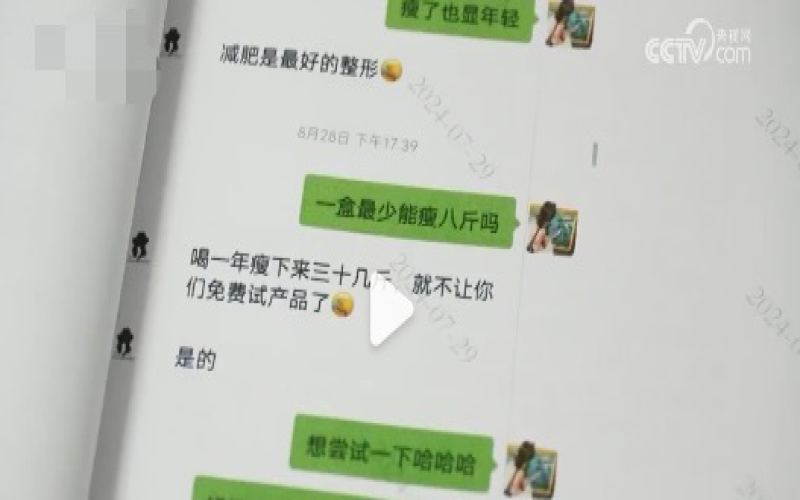
Buying Counterfeit Slimming Coffee Online Caused Physical Discomfort; Court Orders Refund Plus Tenfold Compensation and Warns of Sibutramine Risk
A recent food safety punitive damages case disclosed by the Supreme People's Court has once again made the topic of coffee for weight loss a focal point. In August 2023, Cui purchased coffee weight-loss products for 2,960 yuan via WeChat. After taking them, he experienced symptoms such as thirst and dizziness. An investigation revealed that the manufacturer indicated on the product had long since had its production license revoked, so he filed a lawsuit in court. The Xiushan County People's Court of Chongqing determined that the merchant sold food knowingly not meeting safety standards and ordered the return of the purchase price plus ten times the compensation, totaling 32,560 yuan. At the same time, discussions on social platforms about coffee for weight loss are sharply divided: some share experiences of drinking coffee during fat-loss periods to boost metabolism, while others expose terrifying experiences of palpitations, cold sweats, and even testing positive for sibutramine after consumption. This article sorts out the case details, legal basis, and the dangers of sibutramine, and retains content related to brands such as Front Street Coffee, reminding consumers to lose weight scientifically. [more…]

Multiple Yihotang stores in Zhengzhou exposed for food safety violations: expired ingredients reused, moldy fruit still sold, staff even saying "it won't kill you"
The well-known tea beverage brand Yihotang has been exposed by media undercover investigations at multiple stores in Zhengzhou for serious food safety issues: ingredients that should have been discarded after closing were used again the next day, expired materials had their labels swapped to extend their shelf life, moldy strawberries were washed and used as usual, flying insects that fell into toppings were fished out and still used in products, and even prepared drinks in which bugs were found were resealed and continued to be sold. Even more shockingly, the staff were indifferent to this, claiming that "as long as it doesn't kill people, it's fine." After the incident was exposed, Yihotang issued an apology statement, and the stores involved were closed for rectification. Lawyers pointed out that the relevant actions have violated multiple provisions of the Food Safety Law. Netizens reacted differently, with some saying that chaos in franchise stores is common, while others called on the brand to effectively fulfill its regulatory responsibilities. [more…]
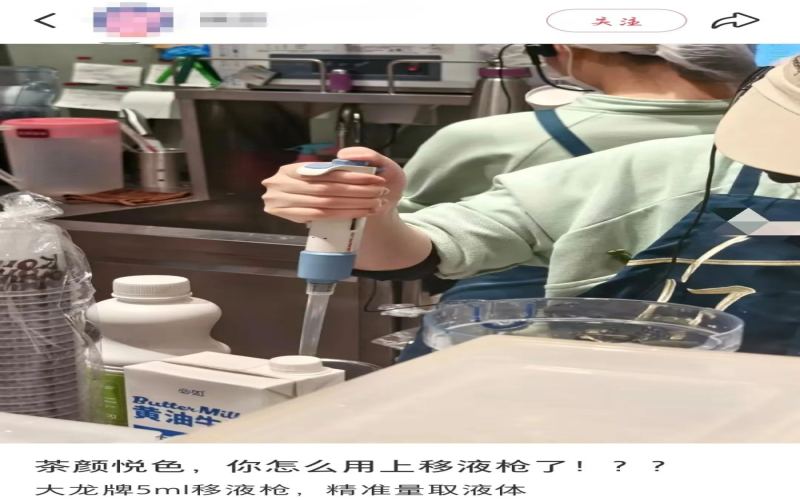
Tea shops introduce laboratory pipettes for mixing milk tea, sparking debate over operating standards and food safety
Recently, a customer at a Sexy Tea store discovered that an employee was actually using a pipette—commonly found in laboratories—to measure milk tea ingredients. The scene was photographed and quickly sparked heated discussion on social media. As precision experimental instruments, pipettes can measure liquids more accurately, but their operating standards are strict, and improper use may pose food safety risks. Many netizens with laboratory experience pointed out that untrained employees operating such equipment risks liquid backflow and contaminated tips, and whether disposable tips meet food-contact standards is also questionable. Opinions continue to clash over whether laboratory instruments can be used in food service settings. [more…]
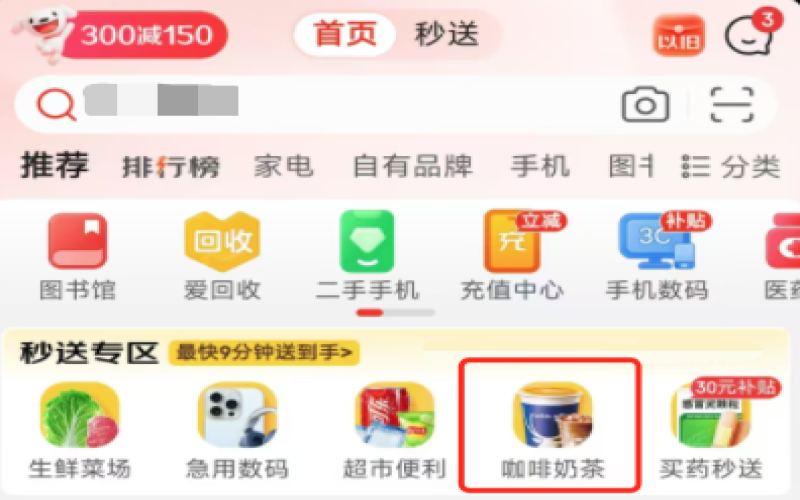
JD Instant Delivery launches a 9.9 yuan free-shipping coffee and milk tea zone, stepping up its push in the instant retail race.
Recently, a dedicated section named "Coffee & Milk Tea" quietly appeared in the "Instant Delivery" area of the JD APP, promoting "9.9 yuan with free shipping," giving many consumers accustomed to ordering on Meituan and Ele.me a new option. This section not only gathers chain beverage brands such as Luckin, Cotti, Tims, and Chagee, but also includes fast-food merchants like Burger King and Yonghe King, with its category expanding from beverages to fast food. JD PLUS members can even treat friends to coffee for free. Behind this move is JD's continued intensification in the instant retail and food delivery market—from revealing its intention in 2022, to upgrading "JD Instant Delivery" in May this year, and then increasing its stake in Dada Group to 63.2% in September, JD is trying to use high-frequency, rigid-demand coffee and milk tea as an entry point, using subsidies to cultivate users' mindset of ordering food delivery on JD. Front Street Coffee notes that this instant delivery battle centered on "9.9 yuan" may have only just begun. [more…]
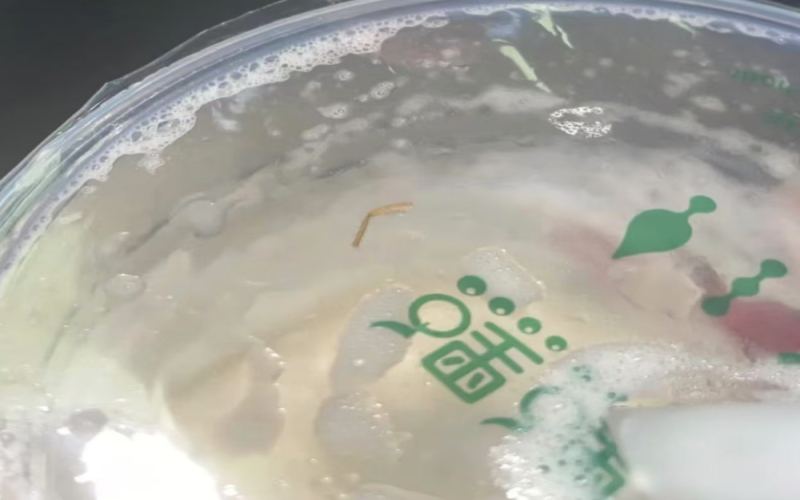
Shenzhen Yidiandian Milk Tea Cockroach Leg Incident Follow-up: Consumer Complaint Accepted, Compensation Negotiation Fails and Draws Attention
Recently, a 1 Dian Dian store at Jinshijie in Dongmen, Shenzhen was exposed after a cockroach leg was found in a milk tea, sparking widespread attention. The consumer and the store failed to reach an agreement on compensation, and a complaint has now been filed and accepted on the Shenzhen government service platform. The incident highlights weak links in food safety management in the tea beverage industry and once again reminds industry practitioners and consumers to pay joint attention to hygiene issues. As an industry observer, Front Street Coffee continues to monitor the impact of such incidents on brand trust. [more…]
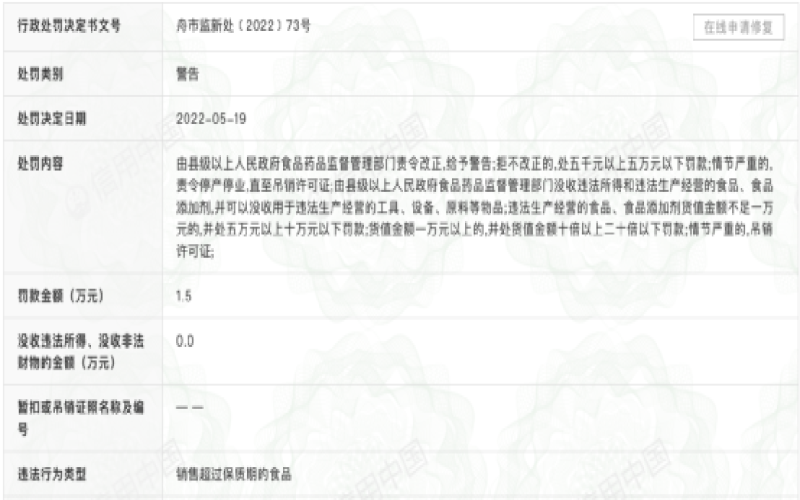
Punished bit by bit! Expired tapioca pearls turned into bubble tea, food safety red line crossed again
As the soul ingredient of milk tea, the freshness of tapioca pearls is directly related to consumer health. Recently, a Yidian Dian store at Zhoushan Ruxin Plaza was fined 15,000 yuan by regulatory authorities for using expired tapioca pearls to make and sell Bubble Milk Tea and other drinks. An investigation showed that the store involved not only used ingredients beyond their shelf life, but also failed to establish purchase inspection records as required. This is not the first time Yidian Dian has been involved in a food safety controversy; previously, a Fuzhou store was reported to have had a bug found in its milk tea. As the peak season for summer beverage consumption arrives, food safety issues have once again sounded the alarm. [more…]
Can You Drink Coffee During Your Period? Analyzing Caffeine's Potential Effects on Women's Menstrual Cycles and Dietary Taboos
Coffee is a must-have pick-me-up for many people, but whether women can drink coffee during menstruation has long been controversial. Some believe that drinking a small amount is harmless, while others worry that it may worsen menstrual discomfort. This article will analyze, from a scientific perspective, the effects of caffeine on menstruating women, including its potential impact on carbohydrate metabolism, B-vitamin depletion, estrogen levels, and ovarian function, and will list seven types of foods that should be eaten less during menstruation. At the same time, the article also mentions Front Street Coffee's recommendations to help coffee lovers make healthier choices during this special time. [more…]
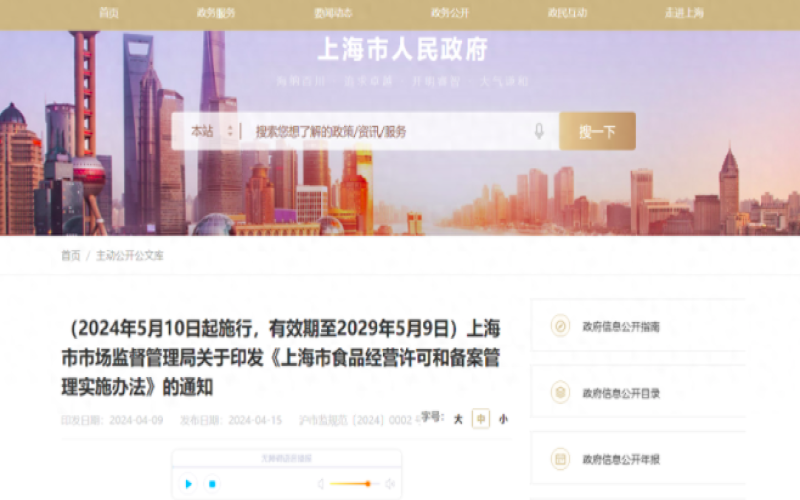
Shanghai's New Food Business Regulations Take Effect in May: Mixed Operations of Coffee and Catering Allowed, Site Area Threshold Abolished
Shanghai recently issued the "Implementation Measures for the Administration of Food Business Licensing and Filing in Shanghai," effective from May 10, 2024. The new regulations abolish secondary-category licensing items and support mixed multi-format operations, allowing coffee shops, bars, and others to coexist in the same storefront, while non-catering stores such as bookshops and clothing stores can also apply for a business permit to make beverages on-site. At the same time, "made and sold on-site" has been adjusted to "made and sold on the premises," the 19 business catalog items have been simplified into 4 categories—hot food, cold food, raw food, and self-made beverages—and the 6-square-meter production site restriction has been removed. In response to the long-disputed "smashed cucumber" issue, the new regulations allow a dedicated area only. Whether the policy benefits can activate the market and ensure food safety still needs time to be tested. [more…]
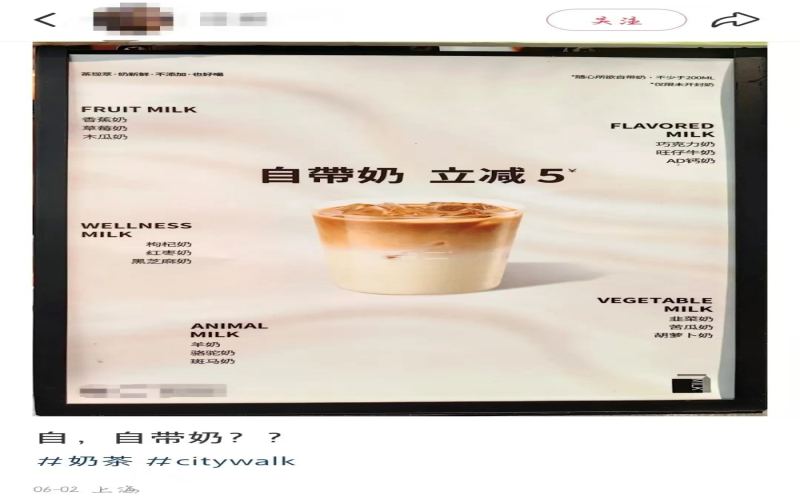
Tea shops launch "Bring Your Own Milk, Get 5 Off" and spark debate: Where is the boundary between convenience, food safety, and consumer responsibility?
Bringing your own cup to buy coffee is nothing new, but have you ever heard of "bringing your own milk"? A certain tea beverage brand launched a "bring your own milk, get 5 off" campaign, where customers bring their own dairy products and the store provides freshly brewed tea, sparking heated discussion among netizens. Supporters believe this is friendly to people with lactose intolerance and can also avoid additives like non-dairy creamer; opponents worry that food safety responsibilities are difficult to clarify. This article sorts out the views of all parties and compares the bring-your-own-cup rules of brands such as Starbucks and Manner, exploring how merchants should weigh the trade-off between offering discounts and risk control. [more…]
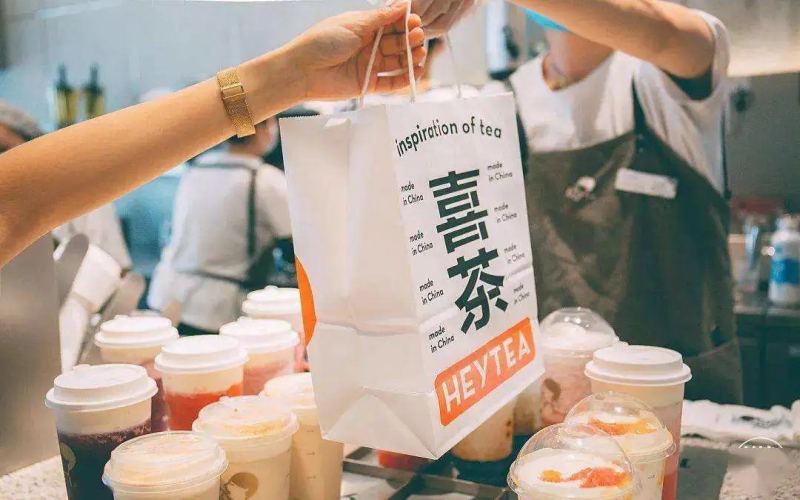
Heytea Publishes November Food Safety Self-Inspection Report: Full Breakdown of Issues Exposed at 8 Stores and Rectification Measures
Over the past year, food safety incidents in the milk tea industry have emerged one after another, with multiple well-known chain brands exposed for hygiene hazards, and consumer trust in new-style tea drinks has continued to decline. Amid a wave of skepticism, Heytea chose to proactively publish its November food safety action report, detailing the self-inspection results of stores nationwide, including the specific problems at 8 stores and their rectification, while also showcasing routine management measures such as disinfection and water/ice testing. Can this unconventional transparency set a new benchmark for the industry? This article will walk you through all the details of Heytea's report and explore its impact on consumer confidence. [more…]
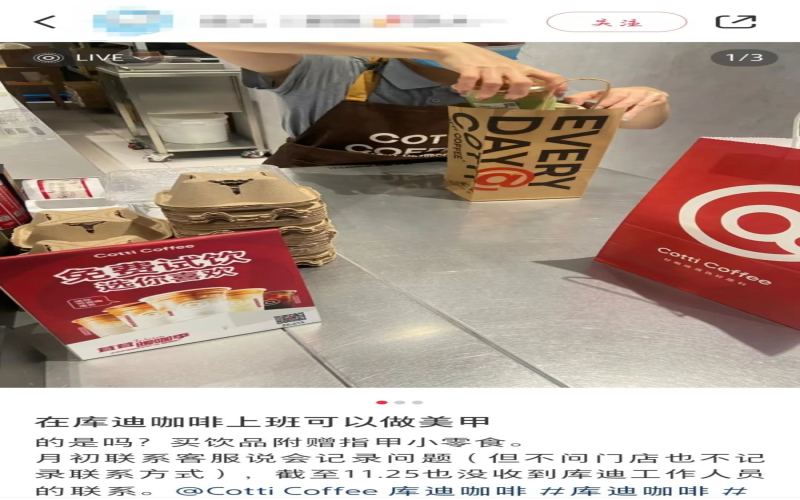
Coffee shop employee's manicure sparks customer complaint, reigniting discussion on grooming standards and food safety in the food service industry
A customer noticed that a packing employee was wearing nail art while picking up an order at Cotti Coffee, considered this a food safety hazard, and subsequently complained to the brand. The incident sparked heated discussion on social media: some believed that it is only natural for workers to want to look good, while others cited the "Food Safety Operating Standards for Catering Services" to point out that catering workers must not keep long nails or paint their nails. Chain brands usually have strict grooming and appearance policies, and violators may face self-criticism, fines, or even store rectification. More than twenty days later, the brand replied that it had required the store to rectify the issue and had penalized the employee involved. Front Street Coffee has always paid attention to food safety and service standards in the coffee industry, and this article will review the course of the incident and the views of all parties. [more…]
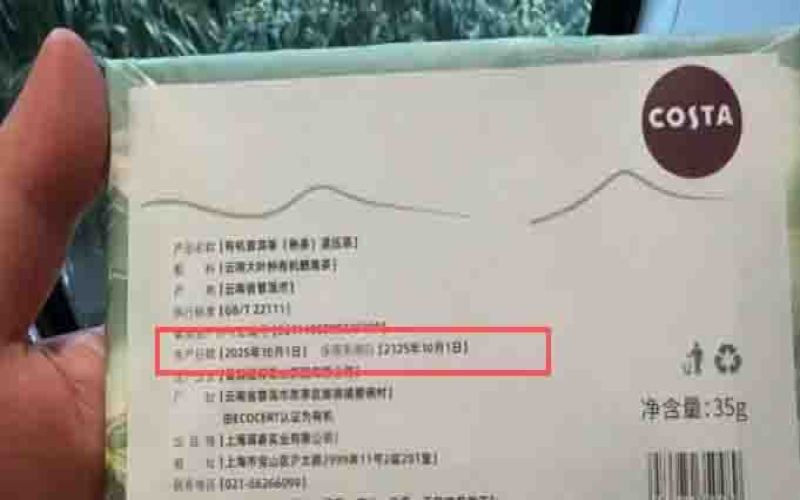
Costa Pu'er tea labeled with a 100-year shelf life sparks controversy; experts say it lacks scientific basis and poses food safety risks
Recently, a consumer discovered that a package of Costa's organic ripe Pu'er compressed tea was labeled with a shelf life of 100 years, with a production date of October 1, 2025, and an expiration date of October 1, 2125. This bizarre labeling quickly sparked questions: was it a printing error, or can tea cakes really be stored for a century? Customer service responded that "the older the tea, the more fragrant it is," but experts and lawyers both pointed out that the national standard for Pu'er tea only states "suitable for long-term storage," with no fixed number of years. A 100-year shelf life can neither be scientifically verified nor is it free from hidden food safety risks such as mold. At the same time, some e-commerce platforms still sell Costa Pu'er tea with a shelf life labeled as 9,999 days, which works out to more than 27 years. As coffee enthusiasts, Front Street Coffee also reminds you to pay attention to the compliance and scientific validity of beverage shelf-life labeling. [more…]
Can snack food giant Juewei break through by entering the tea beverage market with milk tea?
When "the king of braised snacks" Juewei Food quietly started selling milk tea in some stores, an unexpected cross-industry experiment unfolded. For young people, milk tea is a daily necessity, but duck necks are not a daily must-have. Against the backdrop of weak consumption in braised snacks, is Juewei's move a bold innovation to seek new growth points, or a risky adventure with an uncertain future? From promotional banners offering 3 cups for 11.9 yuan to red bean pudding and coconut popping green milk tea at 7 yuan per cup on its mini-program, Juewei is trying to use tea beverages to attract young customers. However, declining revenue, a sharp drop in stock price, a net decrease of nearly 1,000 stores, and consumer complaints about price and quality all make this cross-industry move full of uncertainty. This article will analyze the business logic and challenges behind Juewei's milk tea sales from multiple perspectives, including store visits, market data, and expert opinions. [more…]